The Ocean's Silent Crisis: Unpacking Human Impact on Marine Life Climate
The ocean, a vast blue heart beating at the core of our planet, is far more than just a body of water; it's the world's largest ecosystem and a monumental regulator of global climate. Home to millions of species, from microscopic plankton to colossal whales, the health of this intricate system dictates the well-being of life on Earth. However, the delicate balance of the marine life climate is under unprecedented assault from human activities, leading to profound shifts in ocean warming, acidification, and the very fabric of marine existence.
For the past five decades, our oceans have absorbed over 90 percent of the excess heat generated by human-induced global warming. This immense absorption capacity, while temporarily shielding terrestrial environments, comes at a steep cost to the marine realm. The consequences manifest as rising ocean temperatures and increasing acidification, twin threats that are reshaping marine habitats and food webs with alarming speed, potentially leading to widespread biodiversity loss and unforeseen ecological repercussions.
Ocean Warming: Turning Up the Heat on Marine Ecosystems
The massive marine biomes, covering over 70% of Earth’s surface, are dynamic climate systems characterized by complex interactions between temperature, salinity, pressure, and ocean currents. These factors create distinct underwater climate zones, influencing everything from microscopic plankton blooms to the migratory patterns of massive marine mammals. While water's unique properties traditionally provide relatively stable temperatures, human-driven warming is pushing these systems past their natural resilience.
Rising ocean temperatures directly impact marine organisms in several critical ways. Species that thrive within specific thermal ranges find their habitats shrinking or shifting. This often forces them to migrate towards cooler polar regions or deeper waters in search of suitable conditions. Such geographical range shifts, extensively documented by scientific bodies like the IPCC, disrupt established predator-prey relationships and can introduce new competitive pressures, fundamentally altering local ecosystems. Consider how these changes are redefining Ocean Temperature Zones: Shaping Marine Life & Biodiversity, impacting the very foundations of ocean life.
Furthermore, increased temperatures can accelerate marine species' metabolic rates, leading to higher oxygen demands in waters that are simultaneously experiencing reduced oxygen solubility. This creates hypoxic (low-oxygen) zones, further stressing marine life. Sensitive habitats like coral reefs, which support a quarter of all marine species, are particularly vulnerable. Even slight, prolonged temperature increases can trigger coral bleaching events, where corals expel the symbiotic algae that provide them with food and vibrant color, often leading to coral death and the loss of invaluable marine biodiversity hotspots.
Ocean Acidification: The Silent Threat to Calcifying Life
Alongside warming, the ocean faces another severe challenge: acidification. Since the Industrial Revolution, the oceans have absorbed approximately one-third of the carbon dioxide (CO2) emitted by human activities. When CO2 dissolves in seawater, it undergoes a chemical reaction, forming carbonic acid. This process increases the ocean's acidity (lowers its pH), a phenomenon known as ocean acidification.
The implications for marine life climate are profound, especially for organisms that build shells and skeletons from calcium carbonate. These include corals, shellfish, sea urchins, and various plankton species that form the base of many marine food webs. As ocean pH drops, the availability of carbonate ions decreases, making it harder for these organisms to build and maintain their protective structures. In severe cases, existing shells can even begin to dissolve.
Coral reefs, often described as the "rainforests of the sea," are particularly susceptible. Lowered calcification rates due to acidification directly impede coral growth and repair, making them more fragile and less resilient to other stressors like warming and pollution. The twin impacts of warming-induced bleaching and acidification-induced erosion create a critical crisis for these vital ecosystems, as explored further in Ocean Acidification & Coral Bleaching: Urgent Threats to Marine Life. The loss of coral reefs not only diminishes biodiversity but also removes critical habitats for fish, reduces coastal protection, and impacts the livelihoods of millions of people worldwide who depend on these natural resources.
The Cascading Effects on Marine Life Shifts and Food Webs
The combined forces of ocean warming and acidification are instigating pervasive shifts throughout marine ecosystems. Species unable to adapt to these rapidly changing conditions face declining populations or extinction, while others may thrive in newly altered environments. This dynamic restructuring has significant implications for marine food webs. For instance:
- Disrupted Reproduction: Many fish and invertebrate species rely on specific temperature cues for reproduction and larval development. Warmer waters can throw off these cycles, reducing reproductive success.
- Altered Species Interactions: Shifts in species ranges can bring together species that have never encountered each other, leading to new predator-prey dynamics, increased competition, or the spread of diseases.
- Impact on Fisheries: As commercially important fish species migrate, traditional fishing grounds may become unproductive, posing severe economic challenges for coastal communities.
- Phenological Changes: The timing of seasonal activities, such as migrations, breeding, and feeding, is also shifting. If a prey species migrates earlier or later than its predator, it can lead to a significant mismatch in resource availability.
These shifts are not isolated incidents but interconnected changes reverberating across the entire marine biome, affecting everything from the epipelagic surface waters, where temperatures are most variable, to the stable, yet vulnerable, deep-ocean environments. Even slight temperature changes in the deep sea, where organisms have evolved in constant conditions, can have devastating effects.
Beyond Temperature and pH: The Wider Web of Human Influence
While ocean warming and acidification are primary drivers of change in the marine life climate, they are exacerbated by a host of other human-induced pressures:
- Marine Pollution: From vast gyres of plastic debris to chemical runoff and sewage, pollutants directly harm marine life through entanglement, ingestion, toxicity, and habitat degradation. Microplastics, in particular, have permeated every corner of the ocean, posing unknown long-term health risks.
- Overfishing: Unsustainable fishing practices deplete fish stocks faster than they can reproduce, disrupting food webs and targeting specific species that play crucial ecological roles, such as apex predators.
- Habitat Loss: Coastal development, dredging, and destructive fishing methods destroy vital habitats like mangroves, seagrass beds, and estuaries, which serve as nurseries and feeding grounds for countless marine species.
- Invasive Species: Human activities, such as shipping, introduce non-native species to new environments, where they can outcompete native species, introduce diseases, and alter ecosystem structure.
These cumulative stressors reduce the resilience of marine ecosystems, making them even more susceptible to the impacts of climate change. Addressing the challenges to our marine life climate requires a holistic approach that tackles all facets of human impact.
Protecting Our Blue Planet: Actions for a Sustainable Marine Future
The challenges facing our oceans are immense, but solutions exist, requiring urgent and concerted action from individuals, communities, governments, and industries. Protecting the marine life climate is not merely an environmental issue; it is a fundamental pillar of human well-being, economic stability, and planetary health.
Individual and Community Actions:
- Reduce Your Carbon Footprint: Drive less, use public transport, conserve energy at home, and choose renewable energy sources. This directly mitigates ocean warming and acidification.
- Make Sustainable Seafood Choices: Support fisheries that use sustainable practices by checking seafood guides or certifications.
- Reduce Plastic Consumption: Opt for reusable bags, bottles, and containers. Participate in beach cleanups and advocate for plastic reduction policies.
- Support Marine Conservation: Donate to or volunteer with organizations dedicated to ocean research and protection.
- Educate Yourself and Others: Awareness is the first step towards change. Share information about ocean issues with your network.
Broader Policy and Industry Solutions:
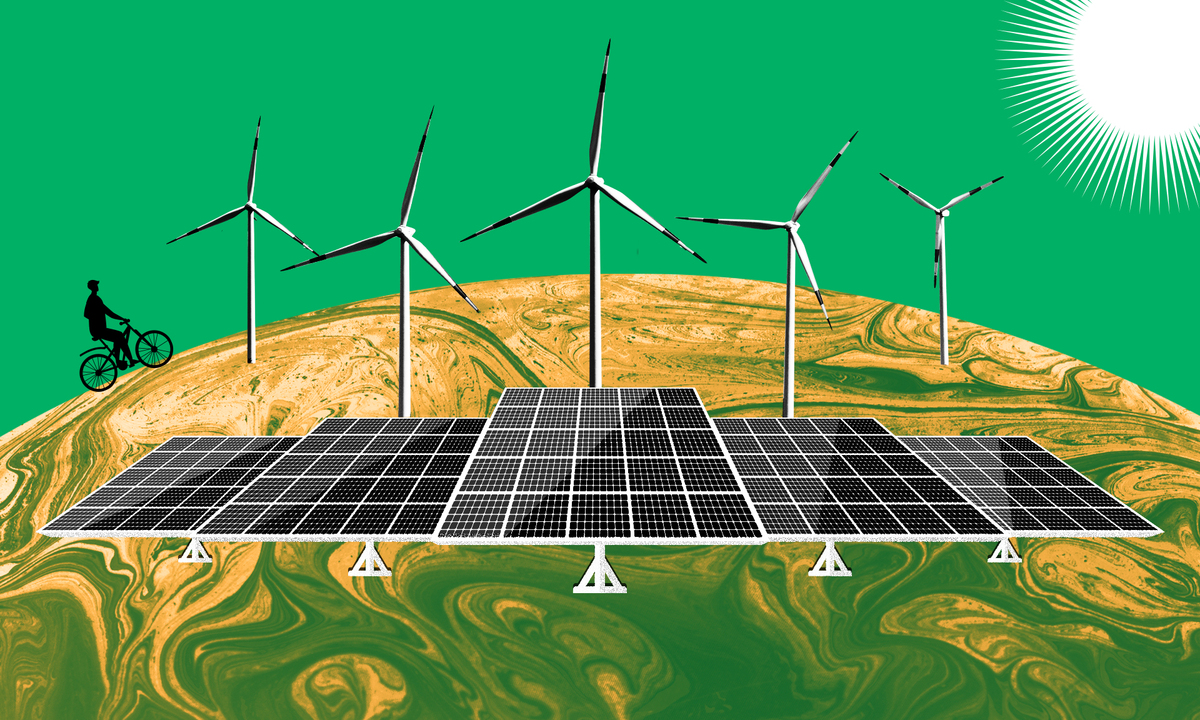
- Transition to Renewable Energy: Governments and industries must accelerate the shift away from fossil fuels to drastically reduce CO2 emissions.
- Establish and Enforce Marine Protected Areas (MPAs): These areas safeguard critical habitats and allow marine populations to recover, enhancing ecosystem resilience.
- Strengthen Pollution Regulations: Implement and enforce stricter laws on industrial waste, agricultural runoff, and plastic production.
- Promote Sustainable Fisheries Management: Adopt science-based quotas, reduce bycatch, and eliminate illegal fishing.
- Invest in Ocean Science and Technology: Funding research helps us better understand ocean changes and develop innovative solutions for adaptation and mitigation.
The human impact on ocean warming, acidification, and the resulting shifts in marine life is a complex, interconnected crisis demanding our immediate attention. From the delicate balance of a coral reef to the vast migratory routes of whales, every aspect of the marine life climate is being tested. By understanding these threats and taking decisive action, we can work towards a future where our oceans thrive, continuing to support the incredible biodiversity that defines our blue planet and sustains humanity itself.