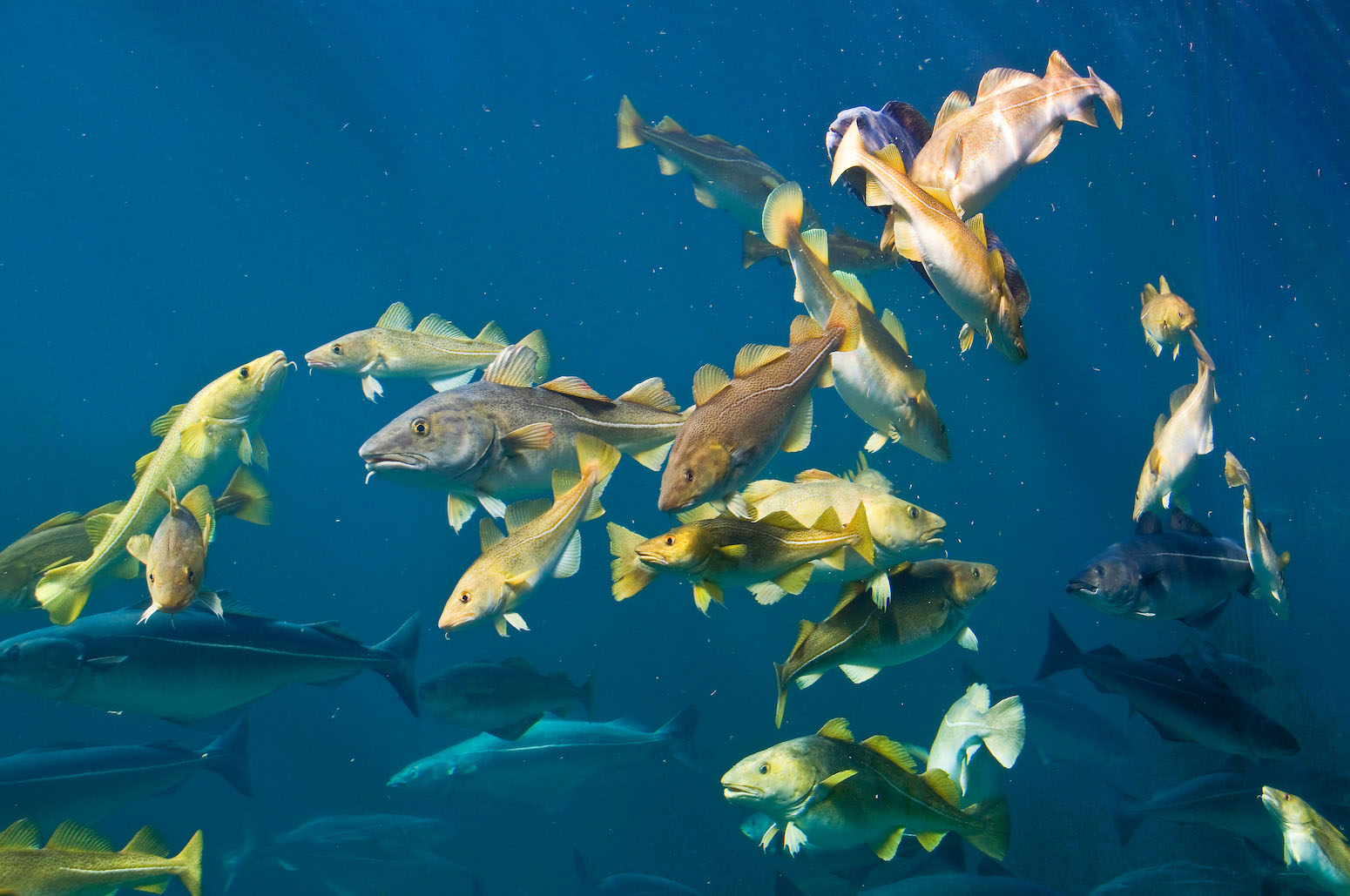
The ocean, a vast and enigmatic realm covering over 70% of our planet, serves as Earth's largest and most dynamic climate system. Within its expansive blue waters lies a complex interplay of environmental factors, with temperature emerging as a dominant architect of life. From the sun-kissed surface to the crushing depths, distinct ocean temperature zones create unique marine habitats, fostering an astonishing array of marine life and shaping global biodiversity. Understanding these thermal landscapes is not merely an academic exercise; it's crucial for comprehending the delicate balance that sustains countless species and for predicting the future health of our planet's vital marine life climate.
The Ocean's Dynamic Thermal Landscape: A Global Climate Engine
Unlike terrestrial environments, marine biomes maintain relatively stable temperatures, thanks to water's unique thermal properties. Yet, this stability masks a remarkable diversity of thermal conditions that define the ocean's various regions. These underwater climate zones are intricate systems, characterized by complex interactions between temperature, salinity, pressure, and powerful ocean currents. Together, these elements form a delicate balance that supports millions of species, from microscopic plankton – the base of the marine food web – to colossal whales undertaking epic migrations across vast stretches of ocean.
The ocean acts as a colossal heat sink, absorbing a significant portion of the sun's energy. This absorption and subsequent distribution of heat by ocean currents play a pivotal role in regulating global weather patterns and influencing atmospheric climate. The very existence of different temperature zones, therefore, is not only fundamental to marine ecosystems but also has far-reaching implications for life on land. However, this critical function is now facing unprecedented challenges from global climate change, threatening to disrupt the very systems that have sculpted marine life for millennia.
Unveiling Ocean Temperature Zones: From Surface to Abyss
Marine ecosystems exhibit distinct temperature patterns that create diverse zones, each supporting unique marine life climate adaptations. These zones are primarily dictated by depth and proximity to the equator and poles.
The Epipelagic Zone: Where Sunlight Reigns Supreme
The uppermost layer of the ocean, known as the epipelagic or "sunlight zone," experiences the most variable temperatures. Here, temperatures can range from a frigid -2°C in polar regions, where sea ice forms, to a balmy 30°C and above in tropical areas. This broad spectrum of surface temperatures contributes significantly to the formation of marine biodiversity hotspots around the globe, such as the vibrant coral reefs found in warm, clear waters. Sunlight penetrates this zone, enabling photosynthesis by phytoplankton, which forms the foundation of nearly all marine food webs.
The Thermocline: A Thermal Barrier
Below the sun-warmed surface lies the thermocline, a crucial transitional zone where temperature changes rapidly with increasing depth. This abrupt thermal shift acts as a natural barrier, separating the warmer, less dense surface waters from the cooler, denser deep waters. The thermocline's presence significantly impacts ocean circulation patterns and the distribution of vital nutrients. For instance, it can limit the upward movement of nutrient-rich deep water, thereby influencing the distribution and abundance of marine life that relies on these resources.
The Deep Sea: Stable but Vulnerable
Beyond the thermocline, the deep ocean environment maintains remarkably stable temperatures, typically hovering between a chilly 2-4°C, regardless of surface conditions. This profound stability has led to the evolution of incredibly specialized deep-sea ecosystems, home to creatures adapted to extreme pressure, perpetual darkness, and scarce food resources. Organisms in these environments often have slow metabolic rates and long lifespans. However, this very stability makes deep-sea ecosystems particularly vulnerable to even slight changes in ocean temperature, as their inhabitants have limited capacity to adapt to fluctuations.
Coastal Waters: A Zone of Fluctuation
Coastal waters, in contrast to the deep ocean, experience more dramatic temperature fluctuations. Their proximity to land masses means they are influenced by seasonal atmospheric changes, freshwater runoff, and tidal movements. Estuaries, intertidal zones, and shallow continental shelf areas can see wide swings in temperature over a day or across seasons. This dynamic environment selects for highly resilient species capable of tolerating significant variations, but it also means these areas are among the first to feel the impacts of changing ocean temperatures.
Ocean Temperatures: The Architects of Marine Biodiversity
The existence of these distinct thermal zones is the primary driver behind the incredible diversity and distribution of marine life. Each temperature zone provides specific conditions to which species have adapted over millions of years, creating unique marine life climate niches. For example:
- Warm Tropical Waters: Host intricate coral reefs, which are veritable underwater cities supporting an estimated 25% of all marine species, including a vast array of fish, invertebrates, and microorganisms. Corals, through their production of carbonate rock and calcareous sediment, create unique and valuable ecosystems, providing not only food and homes for marine creatures but also offering numerous benefits for humans, such as coastal protection and pharmaceutical resources.
- Temperate Zones: Characterized by kelp forests and rich fishing grounds, where seasonal upwellings bring nutrient-rich waters to the surface, supporting productive ecosystems.
- Polar Regions: Home to specialized creatures like polar bears, seals, and specific species of fish and krill that thrive in icy waters, forming crucial links in the polar food web.
Temperature influences every aspect of marine life, from metabolic rates and growth to reproductive cycles and migration patterns. Small changes can alter the timing of spawning, disrupt predator-prey relationships, and shift geographical ranges of species, potentially leading to ecosystem imbalances and widespread ecological impacts.
Human Footprint: Warming Waters and Their Dire Consequences
Regrettably, the delicate thermal balance of our oceans is now under severe threat from human activities. For the past 50 years, more than 90 percent of the global warming resulting from human activity has been absorbed by the ocean. This absorption leads directly to a rise in ocean temperatures, triggering a cascade of negative consequences for marine life and habitats. As the IPCC (2019) notes, many marine species across various groups have already undergone significant shifts in geographical range and seasonal activities in response to ocean warming.
Beyond direct warming, rising levels of atmospheric carbon dioxide, primarily from the burning of fossil fuels, are leading to ocean acidification. When the ocean absorbs CO2, it forms carbonic acid, reducing the pH of seawater. This acidification directly impacts calcifying organisms, such as corals and shellfish, by lowering the rates of calcification, which is essential for shell and skeleton formation. For corals, this leads to coral bleaching, where the coral expels the symbiotic algae that give it color and provide it with food, often resulting in death and the loss of vital reef ecosystems.
Other human-caused issues further compound the stress on marine temperature zones and their inhabitants. Overfishing depletes populations, altering food webs. Habitat loss, often from coastal development or destructive fishing practices, removes critical areas for breeding and feeding. The introduction of invasive species can outcompete native organisms, disrupting local ecosystems. And marine plastic pollution poses a pervasive threat, entangling and suffocating marine life, and introducing toxins into the food chain. For a deeper dive into these widespread impacts, explore our article on Human Impact: Ocean Warming, Acidification & Marine Life Shifts.
The cumulative effects of these impacts may result in consequences as yet unrecognised for the biodiversity and continuation of marine life forms, threatening the very fabric of the world's largest ecosystem.
Safeguarding Our Ocean's Thermal Harmony and Marine Life
The preservation of distinct ocean temperature zones and the diverse marine life climate they support is not just an environmental imperative; it's vital for Earth's future. Our understanding of these complex systems is crucial for predicting weather patterns, ocean circulation, and, most importantly, for protecting the countless organisms that depend on these aquatic environments for survival.
Actionable steps are needed at both global and individual levels:
- Reduce Carbon Emissions: The most critical step is to drastically cut greenhouse gas emissions to mitigate ocean warming and acidification. This includes transitioning to renewable energy, improving energy efficiency, and promoting sustainable transportation.
- Support Marine Protected Areas (MPAs): Establishing and enforcing MPAs helps to safeguard critical habitats, allowing ecosystems to build resilience against climate impacts.
- Sustainable Fisheries Management: Implementing science-based fishing quotas and combating illegal fishing can prevent overfishing, protecting species and allowing marine populations to recover.
- Combat Pollution: Reducing plastic use, improving waste management, and preventing chemical runoff into waterways directly benefits marine health.
- Educate and Advocate: Raising awareness about the importance of ocean health and supporting policies that prioritize environmental protection are essential for collective action.
By recognizing the profound influence of ocean temperature zones and taking decisive action to address the threats they face, we can work towards preserving the incredible biodiversity and ecological functions that make our blue planet so unique and vibrant.
The ocean's temperature zones are magnificent engines of life, shaping the distribution, evolution, and survival of marine species across the globe. From the bustling biodiversity hotspots of the epipelagic zone to the stable, yet fragile, ecosystems of the deep sea, each thermal layer tells a story of unique adaptation and interconnectedness. However, the escalating impacts of human-induced climate change, particularly ocean warming and acidification, are rapidly disrupting these critical marine life climate systems. The future of countless marine species, and indeed the health of our planet, hinges on our immediate and collective commitment to mitigate these threats and restore the delicate thermal balance of our world's greatest ecosystem.