Ocean Acidification & Coral Bleaching: Urgent Threats to Marine Life
The vast, intricate world beneath the waves, often described as Earth's largest ecosystem, is facing unprecedented challenges. As human activities continue to reshape our planet, two particularly alarming phenomena – ocean acidification and coral bleaching – have emerged as urgent threats to marine life and the delicate balance of the marine life climate. These intertwined issues, driven largely by the absorption of anthropogenic greenhouse gases into our oceans, are dismantling ecosystems, jeopardizing biodiversity, and altering the fundamental chemistry of the marine environment.
For decades, our oceans have acted as a crucial buffer against climate change, absorbing over 90 percent of the excess heat generated by human activity and a significant portion of atmospheric carbon dioxide. While this has slowed the pace of terrestrial warming, it has come at a severe cost to marine habitats. The consequences are far-reaching, impacting everything from microscopic plankton to majestic whales, and ultimately threatening the complex food webs that sustain countless species and provide invaluable benefits to humankind.
The Ocean: Earth's Vital Ecosystem Under Pressure
Covering more than 70% of our planet's surface, the marine biomes are not merely expansive bodies of water but dynamic climate systems that dictate global weather patterns and support an incredible spectrum of life. These underwater environments, characterized by complex interactions of temperature, salinity, pressure, and currents, create distinct climate zones. From the vibrant, sun-drenched tropical waters to the frigid, ice-laden polar seas, the ocean's diverse thermal layers and currents are responsible for shaping the distribution and evolution of Ocean Temperature Zones: Shaping Marine Life & Biodiversity. However, this delicate equilibrium is now under immense pressure.
Beyond the direct impacts of warming and acidification, marine life and its habitats suffer from a multitude of human-induced stressors. Overfishing depletes vital populations, habitat loss due to coastal development and destructive fishing practices removes crucial living spaces, and the introduction of invasive species disrupts local ecosystems. Marine plastic pollution, a highly visible and pervasive problem, poses a direct physical threat to countless species, from entanglement to ingestion. All these factors compound the vulnerability of marine ecosystems, making them less resilient to the profound chemical and thermal changes they are now experiencing.
Unpacking Ocean Acidification: The Silent Chemistry Killer
One of the most insidious threats to the marine life climate is ocean acidification. This phenomenon is a direct consequence of the ocean absorbing vast quantities of atmospheric carbon dioxide (CO2) released by the burning of fossil fuels and other industrial processes. When CO2 dissolves in seawater, it initiates a series of chemical reactions, forming carbonic acid. This acid then releases hydrogen ions, which in turn lowers the ocean's pH – making it more acidic. While the term "acidification" might conjure images of extremely acidic conditions, it's more accurate to describe it as a significant shift towards the acidic end of the pH scale, away from its natural alkalinity.
This subtle but powerful chemical shift has profound implications, particularly for organisms that rely on calcium carbonate to build their shells and skeletons. These calcifying species include critical components of the marine food web, such as:
- Corals: The architects of vast reef ecosystems.
- Shellfish: Mussels, oysters, clams, and scallops that form key food sources and filter water.
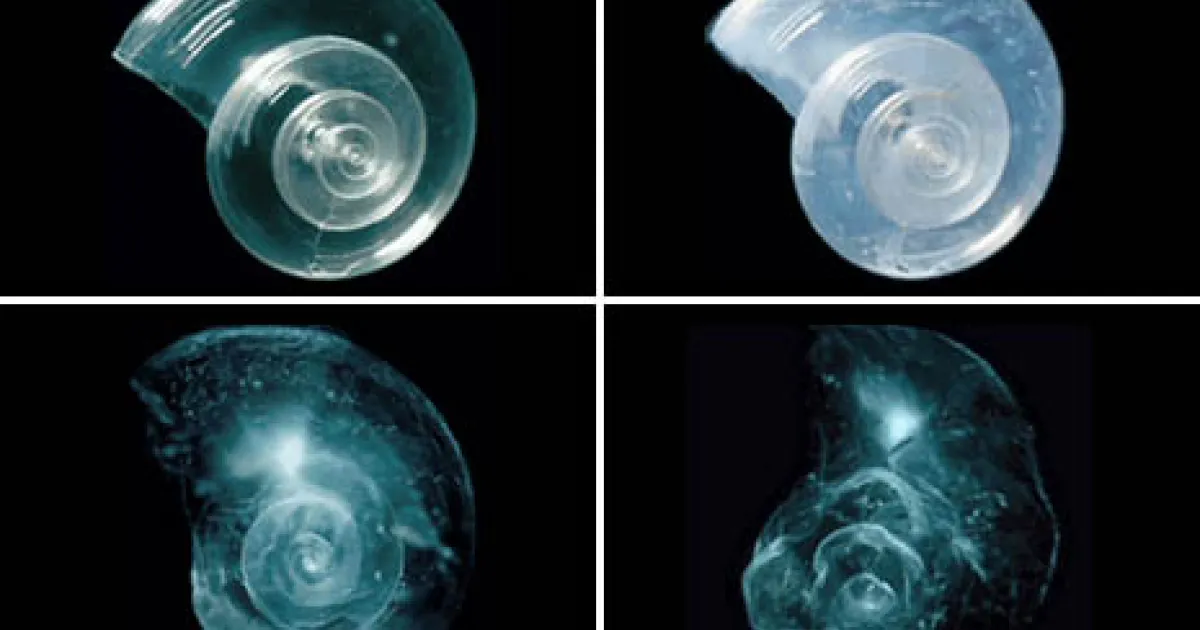
- Pteropods: Tiny, free-swimming snails often called "sea butterflies," which are a primary food source for many fish, whales, and seabirds.
- Foraminifera and Coccolithophores: Microscopic plankton that form the base of many marine food webs.
As the ocean becomes more acidic, there are fewer carbonate ions available for these organisms to build and maintain their structures. This can lead to slower growth rates, weaker shells, and even the dissolution of existing shells, a condition sometimes referred to as the "osteoporosis of the sea." The long-term consequences of such widespread calcification issues could lead to catastrophic collapses in marine populations, with cascading effects throughout the entire food web.
Coral Bleaching: A Vivid Symptom of a Warming World
While ocean acidification slowly erodes the very fabric of marine life from a chemical standpoint, coral bleaching represents a more immediate and visually striking consequence of a rapidly warming world. Coral reefs are often dubbed the "rainforests of the sea" due to their extraordinary biodiversity. They provide habitat, food, and breeding grounds for an estimated 25% of all marine species, despite covering less than 0.1% of the ocean floor. Beyond their ecological value, reefs protect coastlines from erosion, support lucrative tourism industries, and are vital sources of food and income for millions of people globally.
Coral bleaching occurs when corals become stressed by changes in environmental conditions, most commonly elevated ocean temperatures. Corals have a symbiotic relationship with microscopic algae called zooxanthellae, which live within their tissues. These algae provide the coral with vital nutrients through photosynthesis and give corals their vibrant colours. When ocean temperatures rise too high, or other stressors like pollution or disease occur, the coral expels these colourful algae. This expulsion leaves the coral's white skeleton visible, hence the term "bleaching."
A bleached coral is not necessarily dead, but it is severely weakened and at a much higher risk of mortality. If conditions return to normal quickly enough, corals can recover, but prolonged or severe bleaching events almost inevitably lead to widespread coral death. The frequency and intensity of mass coral bleaching events have dramatically increased in recent decades, directly correlating with periods of unprecedented Human Impact: Ocean Warming, Acidification & Marine Life Shifts. These events highlight the profound vulnerability of these critical ecosystems to even slight increases in ocean temperature, threatening their very existence and the countless species that depend on them.
Cascading Consequences for Marine Life and Human Society
The combined assault of ocean acidification and coral bleaching creates a devastating domino effect throughout the marine life climate. When coral reefs die, the immense biodiversity they support dwindles. Fish species that rely on the reefs for shelter, food, and breeding grounds vanish, impacting fisheries and local economies. The loss of reef structures also diminishes their protective role against storm surges and coastal erosion, leaving human communities more vulnerable.
The impacts extend far beyond coral reefs. Shifts in geographical range and seasonal activities of many marine species are already being observed in response to ocean warming, as noted by the IPCC (2019). Changes in ocean chemistry disrupt the delicate balance of plankton communities, which form the base of the entire marine food web. If these foundational species struggle, the impacts will ripple upwards, affecting everything from krill-eating baleen whales to commercially important fish stocks. The long-term consequences for global food security, coastal economies, and the overall health of our planet are truly unrecognisable if these trends continue unabated.
Navigating Towards a Healthier Ocean: Actionable Steps
Addressing the urgent threats of ocean acidification and coral bleaching requires a multi-faceted approach, combining global policy changes with local conservation efforts and individual action. It’s a challenge that demands collective responsibility and innovative solutions to safeguard the marine life climate.
Global and National Initiatives:
- Aggressive Carbon Emission Reductions: The most crucial step is to drastically reduce global greenhouse gas emissions. This means transitioning rapidly to renewable energy sources, improving energy efficiency, and investing in sustainable transportation and agriculture.
- International Cooperation: Strengthening international agreements and collaborations to monitor ocean health, share data, and implement coordinated conservation strategies.
- Research and Development: Investing in scientific research to better understand the impacts of ocean change, develop resistant coral strains, and explore innovative restoration techniques.
Local and Individual Actions:
- Support Marine Protected Areas (MPAs): These designated zones help reduce other stressors on marine ecosystems, giving them a better chance to recover from climate impacts.
- Reduce Pollution: Minimise plastic use, properly dispose of waste, and avoid chemicals that can run off into waterways and ultimately reach the ocean.
- Sustainable Seafood Choices: Support fisheries that employ sustainable practices to reduce pressure on marine populations.
- Advocacy and Education: Speak out, educate others, and support policies that prioritize ocean conservation and climate action.
- Responsible Tourism: If visiting coastal or coral reef areas, choose eco-friendly operators and adhere to guidelines that protect marine environments.
By empowering communities, supporting sustainable practices, and holding governments and industries accountable, we can build resilience in marine ecosystems and protect the irreplaceable biodiversity of our oceans.
Conclusion
Ocean acidification and coral bleaching are not abstract environmental problems; they are immediate, tangible threats that are fundamentally altering the marine life climate and challenging the very survival of countless species. These silent changes, driven by our continued reliance on fossil fuels, demand our urgent attention and decisive action. The health of our oceans is inextricably linked to the health of our planet and our own well-being. By understanding these urgent threats and committing to significant reductions in carbon emissions, coupled with robust local conservation efforts, we can still hope to mitigate the damage, foster resilience, and preserve the incredible diversity and vitality of marine life for generations to come.